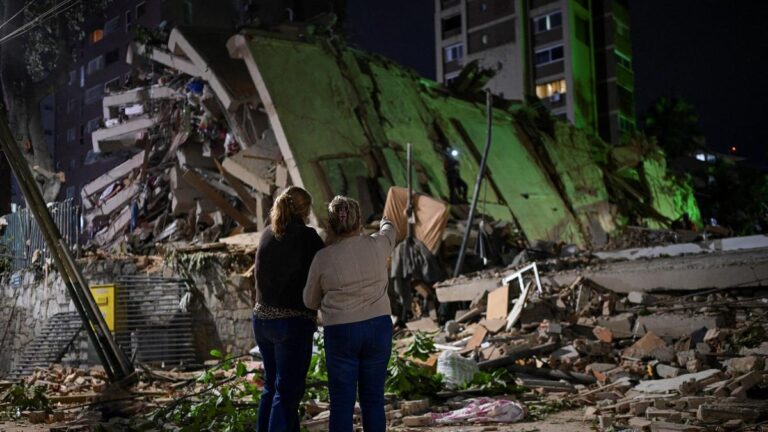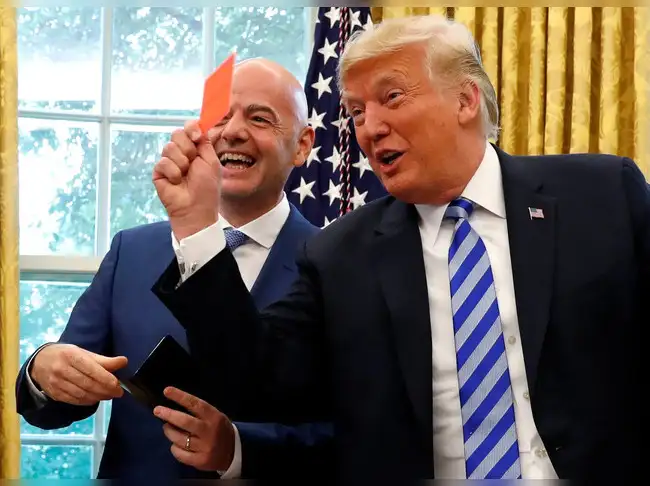
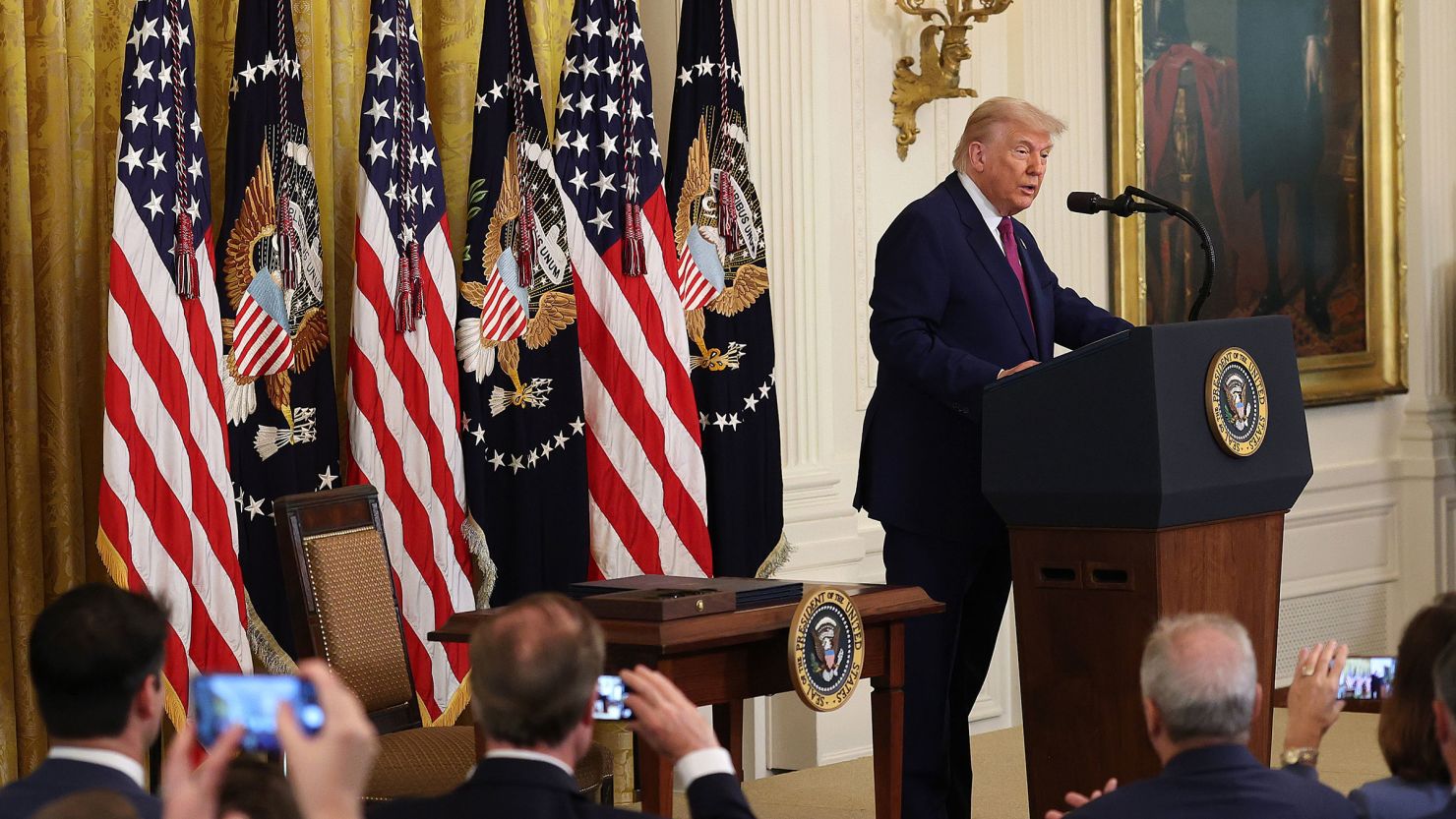
Iran-Israel War LIVE: U.S. President Donald Trump has hinted at a potential diplomatic breakthrough in the ongoing Middle East conflict, raising cautious optimism across global markets.
Trump recently announced a five-day delay in planned U.S. strikes on Iranian energy infrastructure, claiming there had been “very good and productive conversations” aimed at ending hostilities.
The move briefly eased fears of a wider regional war and even triggered a sharp drop in global oil prices, signaling how sensitive markets are to developments in the crisis.
Iran Rejects Claims, Undermining Optimism
However, any hopes of a diplomatic breakthrough were quickly challenged by Iran. Officials in Tehran denied that meaningful talks had taken place, contradicting Trump’s statements.
Iranian authorities also warned that any U.S. or allied attack would be met with retaliation, including potential strikes on critical infrastructure across the Middle East.
This sharp response highlights the deep mistrust between both sides and suggests that a peaceful resolution may still be far off.
Rising Stakes in the Strait of Hormuz
At the center of the crisis is the Strait of Hormuz, one of the world’s most critical oil shipping routes.
- Iran has threatened to disrupt shipping
- The U.S. has increased military presence
- Global energy markets remain highly volatile
The disruption has already impacted oil flows, with millions of barrels per day affected, raising fears of a global energy crisis.
A Pattern of Mixed Signals
Trump’s recent comments are part of a broader pattern of mixed messaging.
- He has previously suggested the conflict could end “very soon”
- At the same time, the U.S. continues military deployments
- Diplomatic talks are hinted at—but not confirmed
Experts say this dual strategy may be aimed at pressuring Iran while keeping diplomatic options open.
Global Impact: Markets and Diplomacy
The uncertainty surrounding the conflict is already having global consequences:
- Oil prices fluctuate sharply with each update
- Stock markets react to signs of escalation or peace
- Countries like Turkey, Egypt, and Pakistan are reportedly trying to mediate
Meanwhile, major economies are closely watching the situation due to risks of inflation and supply chain disruptions.
Conclusion
While Trump’s suggestion of a Middle East breakthrough briefly raised hopes, Iran’s swift denial and renewed threats have poured cold water on those expectations.
The situation remains highly volatile, with the world watching closely as diplomacy, military strategy, and economic pressures collide.
For now, the possibility of peace exists—but so does the risk of a much larger conflict.
About the Author

)