
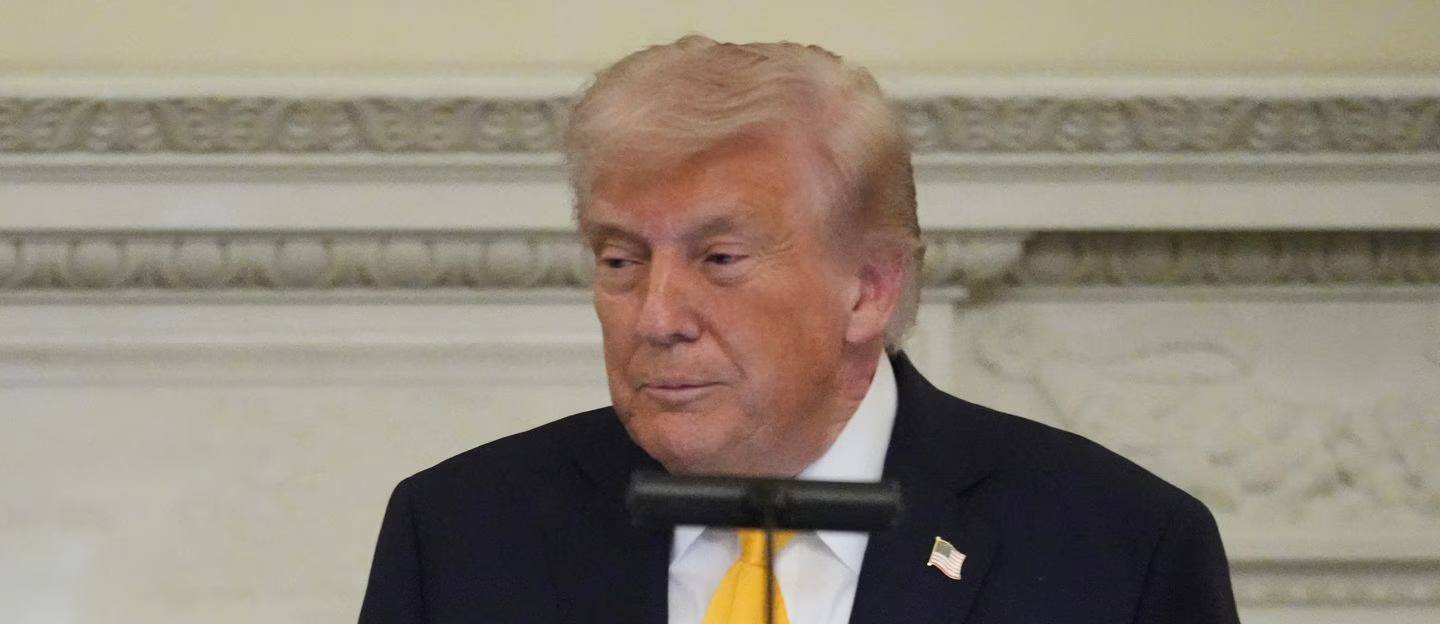
Former U.S. President Donald Trump has sparked controversy after reportedly calling members of NATO “cowards” for failing to adequately support the United States in tensions surrounding the Strait of Hormuz. The remarks have intensified debate over transatlantic alliances and global security responsibilities.
What Happened?
According to reports, Trump criticized NATO allies for not stepping up their involvement in safeguarding strategic maritime routes, particularly in the Strait of Hormuz—one of the world’s most critical oil transit chokepoints.
The comments come amid heightened geopolitical tensions in the region, where security concerns have increased due to threats to shipping lanes and energy supplies.
Why the Strait of Hormuz Matters
The Strait of Hormuz is a narrow passage connecting the Persian Gulf to the Arabian Sea, through which a significant portion of the world’s oil supply passes. Any disruption in this region can have immediate global economic consequences, including:
- Rising oil prices
- Disruptions in global trade
- Increased military tensions
Because of its importance, international cooperation is often seen as essential to maintaining stability in the area.
NATO’s Role and Response
NATO is primarily a collective defense alliance focused on the security of its member states. While it has engaged in international missions, its direct involvement in Middle Eastern maritime security has often been limited or coordinated with other coalitions.
Some NATO members have contributed individually to maritime security efforts, but a unified NATO-led response has not always materialized—something Trump has repeatedly criticized.
Political Reactions
Trump’s remarks have drawn mixed reactions:
- Supporters argue that U.S. allies should contribute more to global security efforts
- Critics say the comments risk weakening alliances and diplomatic relations
Political analysts note that such statements could influence future cooperation between the U.S. and its allies, especially during times of crisis.
Broader Implications
1. Strain on Transatlantic Relations
Public criticism of NATO allies may deepen divisions within the alliance.
2. Global Security Concerns
A lack of coordinated response in key regions like the Strait of Hormuz could embolden adversaries and increase instability.
3. Energy Market Volatility
Any perceived weakness in protecting oil routes can trigger fluctuations in global energy prices.
Conclusion
The latest remarks by Donald Trump highlight ongoing tensions over burden-sharing within NATO and the challenges of maintaining global security in strategic regions like the Strait of Hormuz.
As geopolitical dynamics continue to evolve, the need for cooperation among global powers remains critical to ensuring stability in key international waterways.
More News
About the Author

)



Custom-made children’s furniture European style cabinets Tampa Bay