
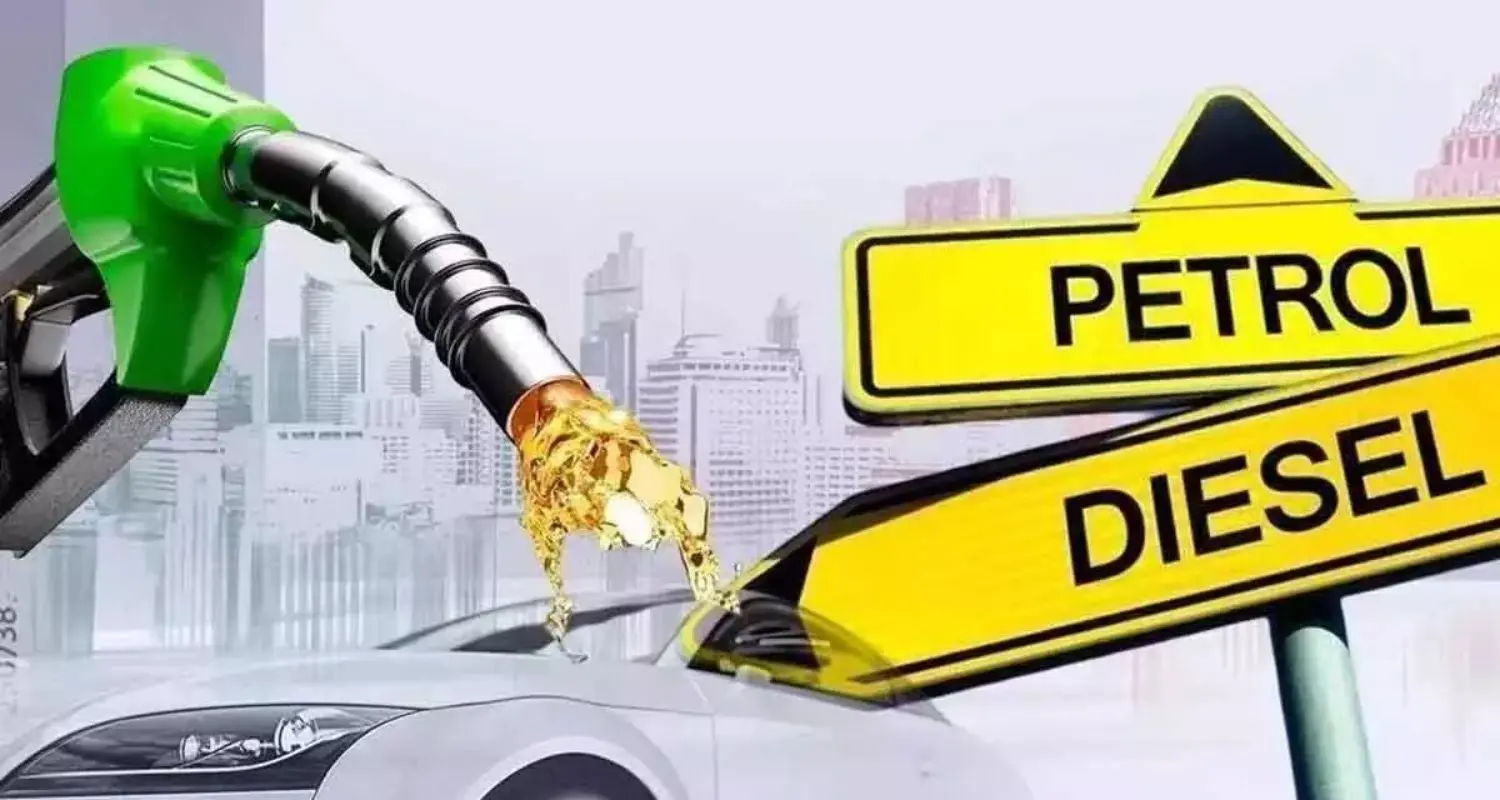
Fuel prices in India have once again come into focus as petrol diesel price hike rates witnessed a hike on March 20, 2026. The increase has raised concerns among consumers and businesses alike, as rising fuel costs directly affect daily expenses, transportation, and overall inflation.
Latest Petrol & Diesel Prices (March , 2026)
As of today,the price of bulk diesel sold to industrial users was hiked by about Rs 22 a litre on Friday, reflecting the spike in global oil prices amid conflict in fuel prices have seen a noticeable increase across major cities. While the exact rates may vary by location due to state taxes and transportation costs, the upward trend remains consistent nationwide.
Major metro cities like Delhi, Mumbai, Chennai, and Kolkata have all reported revised petrol and diesel prices, reflecting the latest hike.
Reasons Behind the Fuel Price Hike
1. Increase in Global Crude Oil Prices
One of the primary reasons for the hike is the rise in global crude oil prices. India imports a significant portion of its crude oil, making domestic fuel prices highly sensitive to international market trends.
2. Currency Exchange Rates
A weaker Indian rupee against the US dollar can make crude oil imports more expensive, leading to higher fuel prices domestically.
3. Government Taxes and Duties
Fuel prices in India include central excise duty and state-level VAT. Changes in these taxes can significantly impact the final retail price.
4. Supply Chain and Geopolitical Factors
Global geopolitical tensions, supply disruptions, or production cuts by oil-producing nations can lead to price volatility.
Impact on Common People
The fuel price hike has several direct and indirect effects:
- Higher transportation costs for daily commuters
- Increased prices of goods and services due to higher logistics costs
- Pressure on household budgets, especially for middle- and lower-income families
- Inflationary impact across multiple sectors
Effect on Businesses and Economy
Businesses, especially those in logistics, manufacturing, and e-commerce, may face increased operational costs. This can lead to:
- Higher product prices
- Reduced profit margins
- Slower economic activity in certain sectors
Government and Policy Outlook
The government may consider measures such as adjusting fuel taxes or releasing oil reserves to stabilize prices. However, such decisions depend on both economic conditions and global market trends.
What Consumers Can Do
While fuel price hikes are largely beyond individual control, consumers can take steps to manage the impact:
- Use public transportation where possible
- Opt for carpooling or ride-sharing
- Maintain vehicles regularly for better fuel efficiency
- Consider fuel-efficient or electric vehicles for long-term savings
Conclusion
The petrol and diesel price hike on March 20, 2026, reflects broader global and domestic economic factors. While the increase adds financial pressure on consumers and businesses, staying informed and adopting cost-saving measures can help mitigate the impact.
As fuel prices continue to fluctuate, keeping track of updates and understanding the underlying causes is essential for better financial planning.
https://sportsworld07.site/category/news/india-news
About the Author

)